Context
Website, products, pricing rules, regional pages and project files.
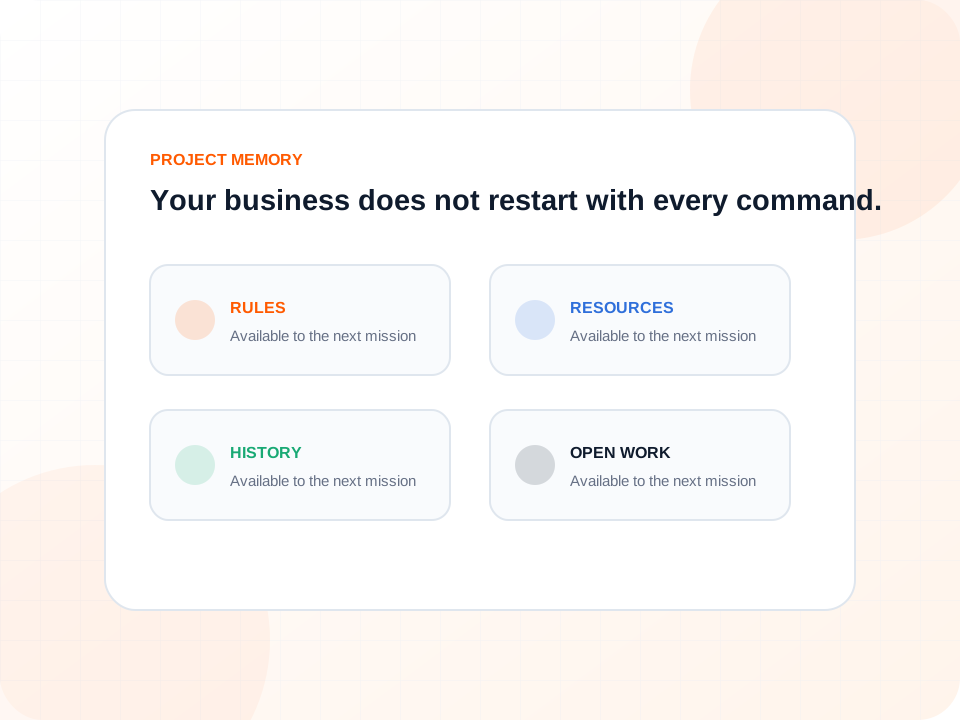
Real work has history. Nexus projects preserve the useful context around a website, company, client or initiative so later missions can build on previous decisions rather than restart from an empty conversation.
The purpose is not to remember everything forever. It is to preserve the context that makes future work faster, safer and more consistent.
A short command becomes meaningful because it is interpreted inside known business context.
“Add the new Butterfly model everywhere it belongs.”
Website, products, pricing rules, regional pages and project files.
Publishing boundaries, accepted pricing logic, design decisions and approval policies.
Previous changes, completed missions, rejected options and the reasons behind decisions.
Authorised website, file, data and development tools available inside this project.
Known issues, blocked missions, next actions and decisions waiting for the owner.
Nexus improves at understanding local business meaning while keeping the rules and assumptions it uses visible.
What company, website, client, product or initiative this project represents.
Names, terms and meanings specific to this work.
Pricing logic, publishing policies, style choices and operating constraints.
The authorised systems, files and information relevant to the project.
Important previous missions, decisions, checks and changes.
Unresolved questions, blocked jobs and planned improvements.
Choices that should remain consistent across later work.
What Nexus may inspect, prepare, execute and publish in this project.
Owners, reviewers, specialists and approval roles attached to the work.
A well-maintained project becomes more useful as accepted rules and previous decisions accumulate.
Nexus learns the project structure and publication rule.
The accepted product and page relationships already exist.
A short command can use established naming, pricing, layout and approval conventions.
The user can see what the project knows, where a rule came from and which assumption a mission is about to use.
Show whether a rule came from the owner, a completed mission, a document or a temporary assumption.
Record what was chosen and why, not only the final value.
Keep one project from silently using another project’s resources or preferences.
Preserve unresolved issues without quietly treating them as settled facts.
A mature project may contain thousands of routine digital actions while presenting the owner with only a few real decisions.
731 routine price changes prepared and checked.
18 of 24 test combinations complete.
Choose whether the promotional exception or the new day-rate rule should win.

Nexus projects turn short commands into controlled, context-aware missions.